
1. Кіріспе
This manual provides essential information for the installation, operation, and maintenance of your NEVOSA Tire Pressure Monitoring System (TPMS) sensors. These sensors are designed to monitor your vehicle's tire pressure and temperature in real-time, enhancing driving safety and tire longevity. Each set includes four 433MHz sensors, pre-programmed for direct re-learn after installation.
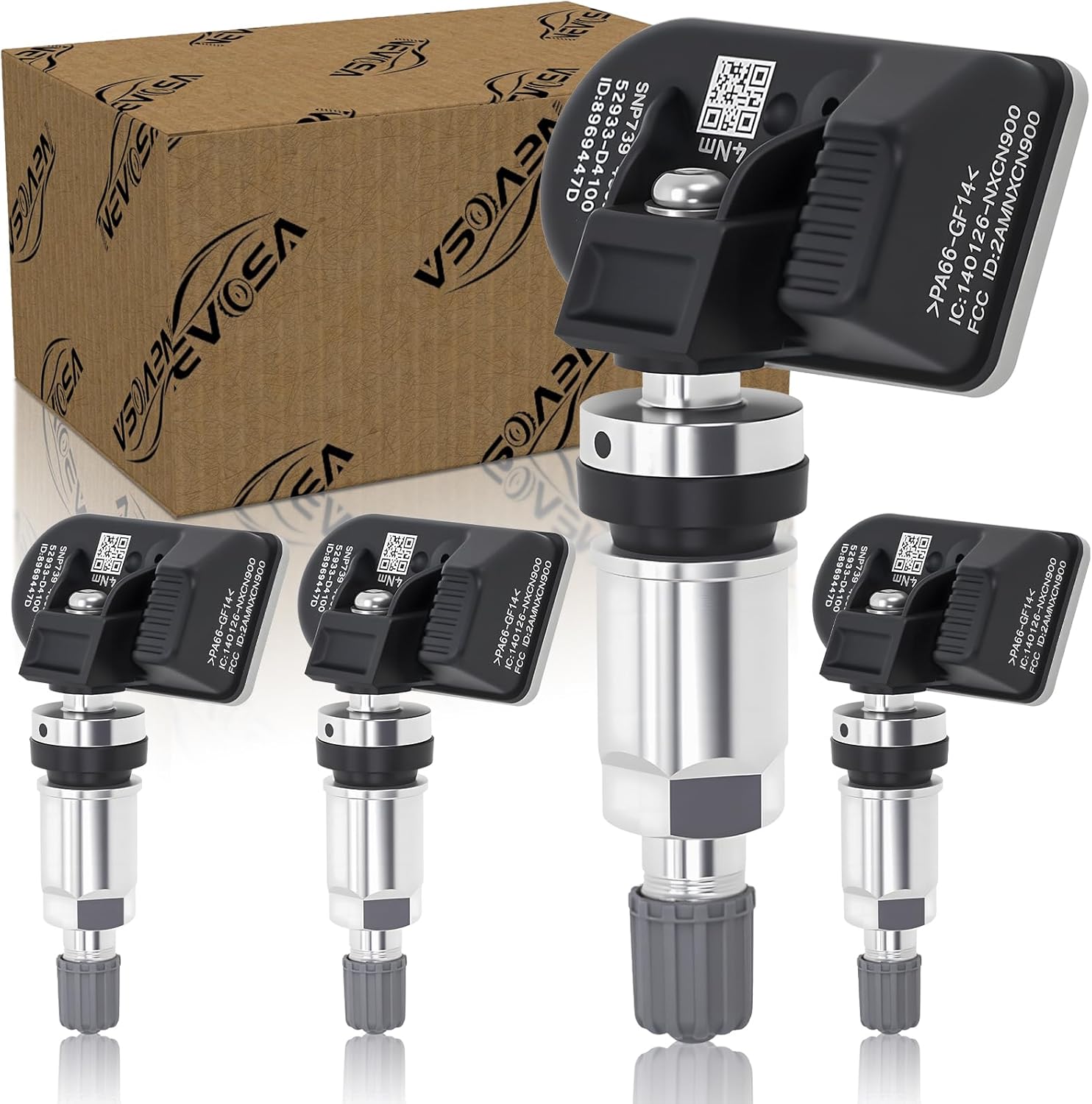
Figure 1.1: NEVOSA TPMS Sensors (Set of 4) with packaging.
2. Көлік үйлесімділігі
These TPMS sensors are compatible with a wide range of Hyundai, Kia, and Genesis models. It is crucial to verify the sensor frequency (433MHz) and part number against your vehicle's original sensor before purchase and installation. The compatible part numbers include 52933-F2000, 52933F2000, 52940AR100, 52940-AR100, 52940-T6000, 52940T6000, 52933-D9100, 52933D9100, 52933-D4100, 52933-D2100, 52933D2100, 52933D4100, 52940-L1100, and 52940L1100.
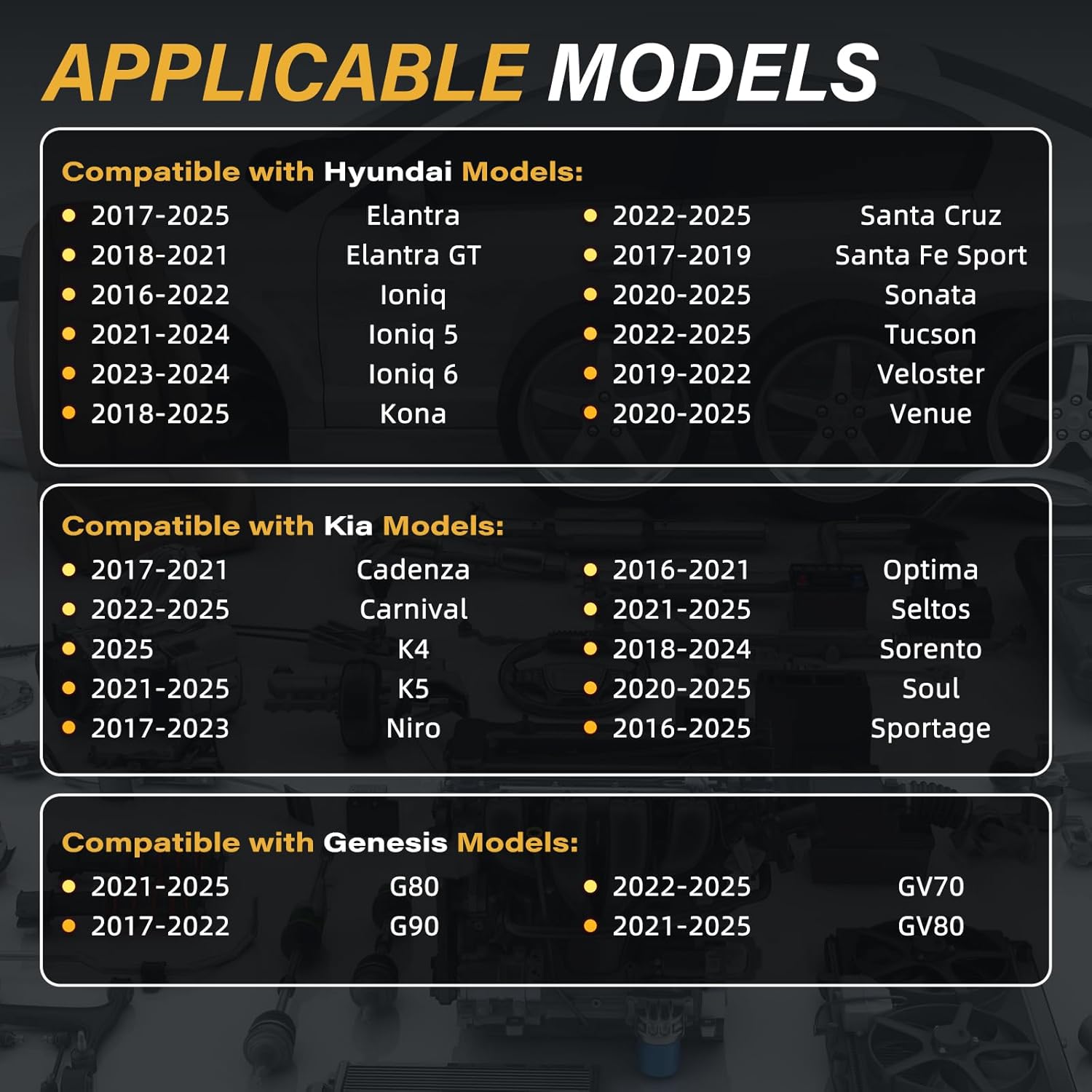
Figure 2.1: Applicable Vehicle Models List.
Compatible Models List:
- Hyundai: Elantra (2017-2025), Elantra GT (2018-2021), Ioniq (2016-2022), Ioniq 5 (2021-2024), Ioniq 6 (2023-2024), Kona (2018-2025), Santa Cruz (2022-2025), Santa Fe (2017-2019), Sonata (2020-2025), Tucson (2022-2025), Veloster (2019-2022), Venue (2020-2025).
- Киа: Cadenza (2017-2021), Carnival (2022-2025), K4 (2025), K5 (2021-2025), Niro (2017-2022), Optima (2016-2021), Seltos (2021-2025), Sorento (2018-2025), Soul (2020-2025), Sportage (2016-2025).
- Жаратылыс: G80 (2021-2025), G90 (2017-2022), GV70 (2022-2025), GV80 (2021-2025).
Always confirm compatibility by checking your vehicle's specific requirements and the sensor's part number and frequency (433MHz).
3. Өнімнің ерекшеліктері
- High Integration Chip (SNP739D): Equipped with a high-precision, highly integrated SNP739D chip, these sensors incorporate multiple built-in sensors to accurately measure pressure, acceleration, temperature, and battery voltage. An interval timer controls data measurement and transmission, optimizing power consumption.
- Тұрақты дизайн: Constructed from high-grade materials, NEVOSA TPMS sensors are built to withstand harsh driving and weather conditions, including extreme heat, cold, and corrosion. Their robust design ensures reliable performance and long-term durability, exceeding OEM standards.
- Ұзартылған батареяның қызмет ету мерзімі: Featuring original Japanese imported batteries, these tire sensors offer a lifespan of 5-7 years under normal operating conditions. Energy-saving technology further preserves power when the sensor is not actively in use, ensuring consistent operation without frequent replacements.
- Нақты уақыттағы бақылау: The sensors provide continuous, real-time monitoring of tire pressure and temperature, transmitting data to your vehicle's system. This allows for immediate alerts in case of significant pressure drops or temperature increases, contributing to safer driving.
- Adjustable Angle Valve Stem: The sensor features a 30-degree adjustable angle, making it suitable for a wider range of car models and wheel designs. The aluminum alloy valve stem provides durability and prevents dust and corrosion.

Figure 3.1: High Integration SNP739D Chip.

Figure 3.2: Real-Time Monitoring Capability.

Figure 3.3: Sensor Structure Diagram.
4. Орнату және орнату
4.1 Орнату алдындағы тексерулер
Before installing the TPMS sensors, it is essential to confirm that you have the correct sensors for your vehicle. Verify the frequency (433MHz) and the part number of your original sensor. If unsure, provide your car's VIN or model and year to a qualified technician for confirmation.

Figure 4.1: Important Customer Notice.
4.2 Орнату процедурасы
TPMS sensor installation typically requires specialized tools and expertise. It is highly recommended to have these sensors installed by a certified automotive technician. Do not attempt sensor replacement if your TPMS tool cannot detect your sensor or display information such as sensor ID, frequency, battery status, and PSI.
4.3 Relearn Procedure (TPMS Tool Required)
After installation, the pre-programmed TPMS sensors require a re-learn procedure to connect with your car's ECU system and transmit information. This process typically involves using a TPMS scan tool.
- Properly install tire pressure sensors in each wheel. Ensure all tires are inflated to the pressure listed on the tire placard.
- Starting with the Left Front (LF) tire, use the OBD II tool to trigger each sensor in the following order: LF, RF, RR, LR.
- Тұтануды ON күйіне бұрыңыз.
- Connect OBD tool to OBD II port then write sensor IDs.
- Switch off, then switch on the ignition. Test drive above 19 mph (30km/h) for at least 10 minutes. Ensure the tire pressure monitor system works correctly (TPMS light off).
Note: OBDII Relearn Procedure is the most effective way for vehicles to connect new sensors.

Figure 4.2: Pre-programmed Sensor Relearn Procedure.
5. Пайдалану нұсқаулары
Once properly installed and re-learned, your NEVOSA TPMS sensors will continuously monitor the air pressure and temperature within your vehicle's tires. This data is transmitted wirelessly to your vehicle's onboard computer system, which then displays the information on your dashboard or alerts you to any significant deviations from recommended levels.
- Қысымды бақылау: The system will alert you if a tire's pressure falls below a safe threshold or rises excessively.
- Температураны бақылау: Sensors also monitor tire temperature, which can indicate potential issues like overheating due to underinflation or mechanical problems.
- Дабыл жүйесі: In case of high/low pressure or abnormal temperature, an alarm or warning light will activate on your vehicle's dashboard, prompting you to take corrective action.
6. Техникалық қызмет көрсету
NEVOSA TPMS sensors are designed for durability and long-term performance with minimal maintenance. However, proper tire care is essential for the longevity and accuracy of your TPMS system:
- Шина қысымын үнемі тексеру: Even with TPMS, it is advisable to manually check your tire pressure regularly with a reliable gauge.
- Professional Tire Service: When tires are rotated, repaired, or replaced, ensure that the TPMS sensors are handled by qualified technicians to prevent damage.
- Клапан бағанына күтім жасау: The aluminum alloy valve stems are designed to resist corrosion. However, avoid using harsh chemicals or abrasive cleaners on them.
7. Ақаулықтарды жою
If you encounter issues with your NEVOSA TPMS sensors, consider the following common scenarios:
- Sensor Not Detected / TPMS Light On:
- Ensure the re-learn procedure (Section 4.3) has been correctly performed.
- Verify that your TPMS tool can detect the sensor and display its ID, frequency, battery status, and PSI. If not, the sensor may not be properly installed or may be faulty.
- Check tire pressure to ensure it matches the vehicle's recommended levels.
- Дұрыс емес көрсеткіштер:
- Confirm that tires are inflated to the correct pressure according to your vehicle's specifications.
- Ensure the sensors are correctly installed and seated within the tire.
- Сенсор батареясының қызмет ету мерзімі: While designed for 5-7 years, extreme conditions or continuous high usage might affect battery life. If a sensor consistently fails to transmit data, its battery may be depleted.
If you have any problems with the product that cannot be resolved with the above steps, please contact customer service for assistance.

Figure 7.1: Common Questions and Answers.
8. Техникалық сипаттамалар
| Атрибут | Мәлімет |
|---|---|
| Үлгі нөмірлері | 52933-F2000, 52933-D4100, 52940-L1100 |
| Жиілік | 433 МГц |
| Чип | SNP739D (High-precision, highly integrated) |
| Батарея Түрі | CR2032 (Japanese imported, included) |
| Батареяның болжалды қызмет ету мерзімі | 5-7 years (under normal conditions) |
| Жұмыс температурасы | -40-дан 125 градусқа дейін |
| Клапан бағанасы | Aluminum Alloy, 30° Adjustable Angle |
| Item Weight (per sensor) | Approximately 5.6 ounces (total for 4 sensors) |
| Пакет өлшемдері | 3.74 x 2.75 x 1.97 дюйм |
| Өндіруші | NEVOSA |
9. Қорапта не бар
Your NEVOSA TPMS Sensor package includes:
- 4 x NEVOSA Tire Pressure Monitoring System Sensors (433MHz)

Figure 9.1: Package Content.
10. Кепілдік және тұтынушыларды қолдау
10.1 Кепілдік туралы ақпарат
NEVOSA offers a 1 жылдық кепілдік on these TPMS sensors. This warranty covers manufacturing defects and ensures reliable product performance under normal use conditions.
10.2 Тұтынушыларды қолдау қызметі
If you encounter any issues with your NEVOSA TPMS sensors or have questions regarding their installation, operation, or compatibility, please do not hesitate to contact our customer service team. We are committed to providing prompt and effective solutions to ensure your satisfaction.
For support, please refer to the contact information provided with your product packaging or visit the official NEVOSA webсайт.


